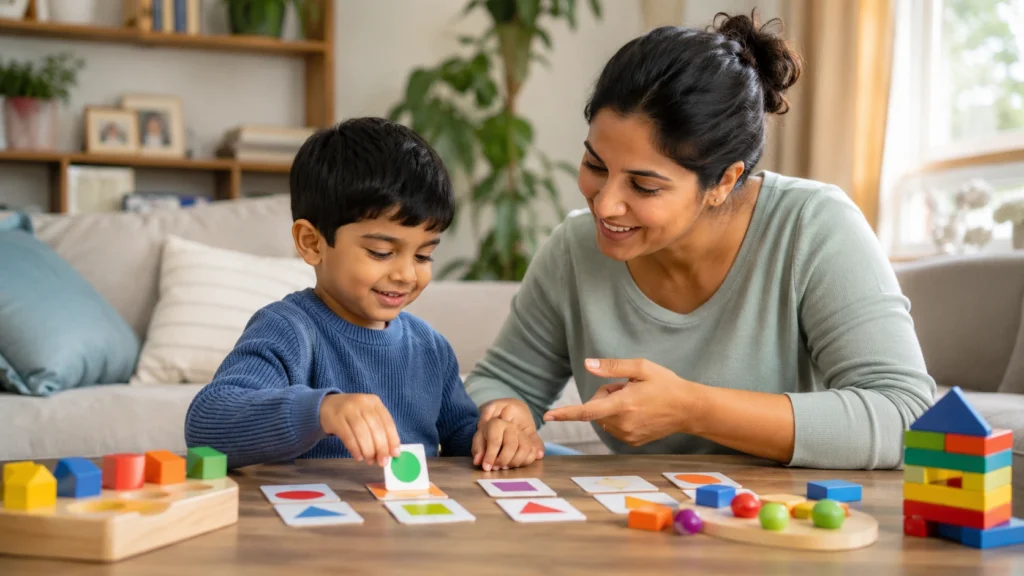
A mother I worked with, Farah, once told me she felt like therapy only “really counted” when it happened in a session with a professional. She was surprised to learn that some of the most meaningful progress her son made happened during ordinary moments at home, sorting laundry together, taking turns during a board game, practicing “please” and “thank you” at snack time. That conversation has stayed with me because it captures something I want every parent to know: you don’t need a clinical setting to support your child’s growth. You just need the right activities, done consistently, with warmth.
If you’re looking for ways to bring ABA principles into everyday life at home, here’s where I’d start.
Why Home-Based Activities Matter So Much
ABA therapy works best when skills are practiced in the environments where children actually use them. A child who learns to ask for a snack only in a clinic may not automatically transfer that skill to the kitchen table. Practicing at home closes that gap.
Home also offers something a clinic can’t fully replicate: natural repetition. Mealtimes, bath time, and getting dressed all happen daily, which means every one of those moments is a chance to reinforce a skill without it feeling like “extra work.”
Most importantly, home-based practice strengthens the parent-child relationship. Skills learned through connection and trust tend to stick far better than skills learned through pressure.
Simple ABA-Inspired Activities to Try
You don’t need special equipment or a clinical background to get started. Here are activities I regularly recommend to families.
Turn-taking games. Simple games like rolling a ball back and forth or stacking blocks together build patience, social reciprocity, and impulse control in a low-pressure way.
Visual schedules for daily routines. Using picture cards for steps like brushing teeth or getting dressed helps children understand what’s expected and reduces anxiety around transitions.
“First-then” language during tasks. Saying “first wash hands, then snack” helps children connect actions to outcomes, building both language and predictability.
Labeling and requesting practice. During everyday activities, gently prompt your child to name objects or ask for items they want. This builds functional communication naturally, without feeling like a drill.
Structured play with clear reinforcement. Praise or a small reward immediately after a desired behavior, like sharing a toy or following an instruction, helps reinforce that behavior over time.
Sensory-friendly movement breaks. Activities like jumping on a mat, squeezing a stress ball, or swinging can help regulate emotions before or after a learning activity.
Making It Consistent, Not Overwhelming
The biggest mistake I see well-meaning parents make is trying to do too much at once. ABA works through small, repeated wins, not marathon sessions.
Pick one or two activities to focus on each week. Keep sessions short, five to ten minutes is often enough for younger children. And celebrate small progress, because consistency matters far more than intensity.
When Professional Guidance Makes a Difference
While many activities can be done independently, having professional support behind your efforts often accelerates progress significantly. Structured ABA therapy at home across Canada allows a trained therapist to design a personalized plan and coach you through it directly in your own space, so the activities you’re already doing become even more effective.
For families who want expert guidance without in-person visits, virtual autism therapy makes it possible to receive real-time coaching and support from wherever you are, which is especially helpful for busy households or families in remote areas.
Parents are often the most consistent teacher in a child’s life, which is exactly why parent coaching across Canada can be so valuable. Learning how to reinforce skills correctly and confidently turns everyday moments into powerful learning opportunities.
And if you’re based in the area, connecting with a qualified ABA therapy provider in Mississauga gives you access to in-person, hands-on support tailored to your child’s specific needs.
A Final Thought
Farah’s son now initiates turn-taking games on his own, something that felt impossible just months earlier. That progress didn’t come from one big breakthrough. It came from small, consistent moments at home, practiced with patience and love.
You already have everything you need to start: your home, your routines, and your relationship with your child. The rest is just structure and consistency.
Frequently Asked Questions
Do I need special training to do ABA activities at home?
No. Many activities are simple enough for any parent to implement, though guidance from a therapist can help you apply techniques more effectively and consistently.
How often should we practice ABA activities at home?
Short, frequent sessions work better than long, infrequent ones. Even five to ten minutes a few times a day can lead to meaningful progress.
Can home activities replace professional ABA therapy?
They work best as a complement to, not a replacement for, professional therapy. Combining both often produces the strongest results.
What if my child resists structured activities?
Start smaller and follow your child’s interests. Embedding skills into activities they already enjoy usually reduces resistance significantly.
How do I know if the activities are actually helping?
Look for small, steady changes over weeks, not days, such as increased communication attempts, longer engagement, or fewer meltdowns during transitions.