Advance Academy is a trusted, Mississauga-based ABA provider, located at 5900 Avebury Rd. We provide BCBA-certified ABA therapy in Mississauga across all neighbourhoods including Erin Mills, Meadowvale, Streetsville, Port Credit, Malton, and Cooksville. In-home, daycare, and virtual sessions. OAP funding accepted.
Our Office: 5900 Avebury Rd, Mississauga, ON L5R 3M3
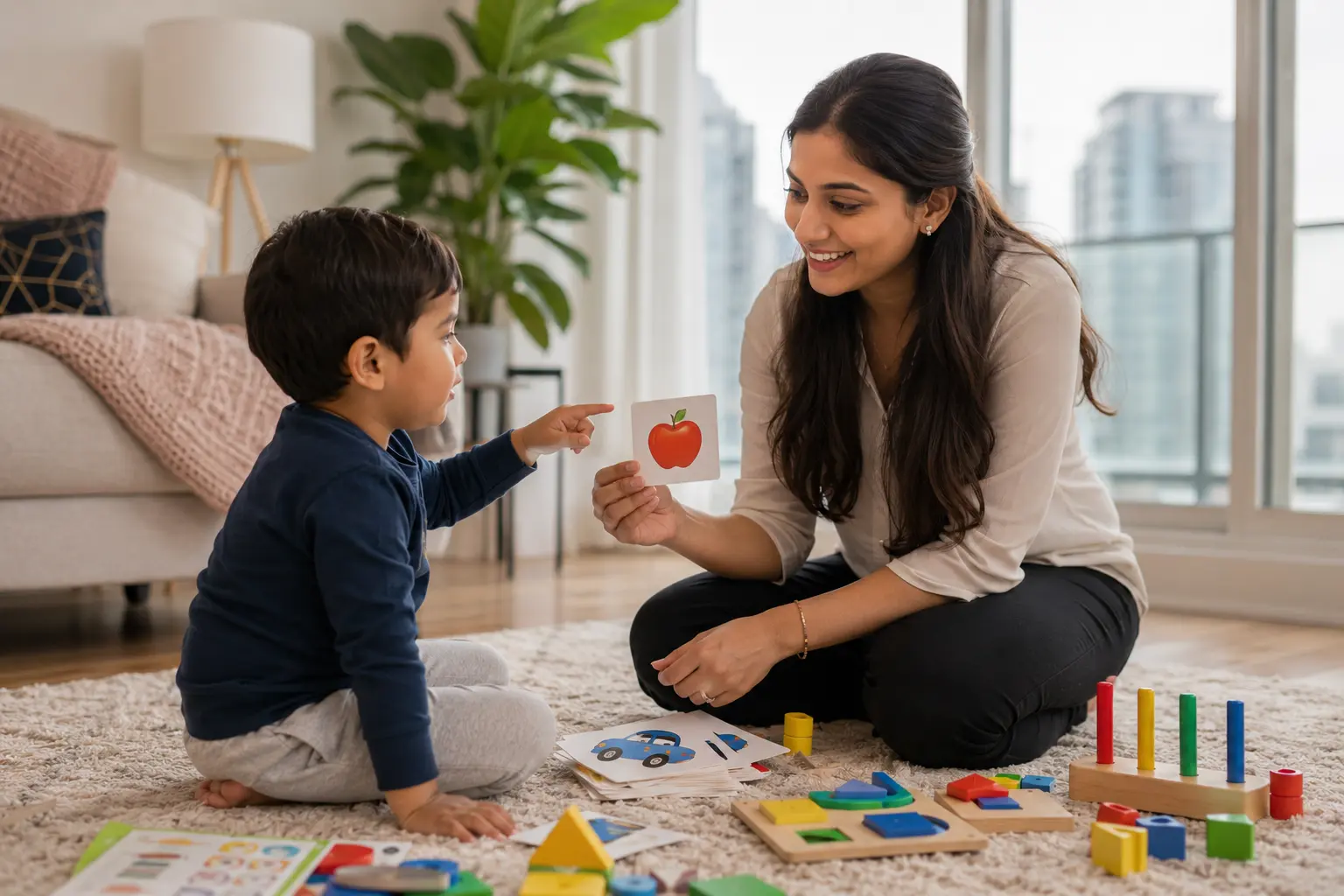
Advance Academy is one of the best ABA providers in Mississauga, operating from our office at 5900 Avebury Rd. As a BCBA-certified and registered OAP provider in Mississauga, we deliver trusted home-based ABA therapy across all Mississauga neighbourhoods. We provide BCBA-certified ABA therapy in Mississauga for children with autism aged 18 months through teens, with in-home sessions across all Mississauga neighbourhoods. Our autism therapy in Mississauga is based on Applied Behaviour Analysis (ABA), the most evidence-based autism treatment available.
As the best ABA provider in Mississauga, our BCBA therapists know the community and can reach your home quickly. Families across Erin Mills, Meadowvale, Streetsville, Port Credit, Malton, and Cooksville trust Advance Academy for personalized, evidence-based autism therapy.
Every service is BCBA-supervised, evidence-based, and available to Mississauga families through OAP funding.
BCBA-supervised 1-on-1 in-home ABA therapy across all Mississauga neighbourhoods. Sessions at your home, your child's comfort zone.
Learn moreIntegrated ABA therapy inside your child's Mississauga daycare. Our BCBA therapists collaborate directly with daycare educators.
Learn moreEvidence-based early intervention ABA therapy for Mississauga children aged 18 months to 5 years. Start early for the best outcomes.
Learn moreComprehensive BCBA assessments for Mississauga children with full written report. No autism diagnosis required to get started.
Learn moreBCBA-supervised online ABA therapy for Mississauga families. Flexible, OAP funded, equally effective as in-person sessions.
Learn moreBCBA-led parent coaching for Mississauga families. Learn ABA strategies to support your child at home every day, in-person or virtually.
Learn moreAs Mississauga's local ABA therapy provider since 2018, we understand the community and deliver care that makes a real difference.
Our office is right here in Mississauga at 5900 Avebury Rd. As your local ABA provider, our therapists reach your home faster and understand the Mississauga community.
Mississauga families access OAP funding through us with zero hassle. We handle the paperwork and guide you through AccessOAP registration step by step.
Every ABA program in Mississauga is designed and supervised by a Board Certified Behavior Analyst who understands Peel Region's diverse families and communities.
From Erin Mills to Malton, from Port Credit to Meadowvale, our BCBA therapists travel to your home across all Mississauga communities for in-person sessions.
Mississauga families can begin a BCBA assessment and early intervention support while waiting for a formal autism diagnosis. Early support matters.
With over 500 Canadian families supported since 2018, Advance Academy has deep roots in the Mississauga community. We are here for the long term.
Our BCBA therapists serve every Mississauga neighbourhood for in-home and daycare sessions. Virtual therapy available province-wide.
Mississauga and Peel Region families can use OAP-funded ABA therapy through Advance Academy. As an OAP-approved ABA provider in Mississauga, we guide families through the full process. As a Mississauga-based registered OAP provider, we guide families through the full process at no extra charge, from AccessOAP registration to your child's first session.
Ask About OAP FundingContact AccessOAP to register your Mississauga child. We help you through this step.
Select us as your local Mississauga OAP registered provider for ABA therapy.
Our Mississauga BCBA team completes your child's assessment and creates a personalized therapy plan.
Sessions begin in your Mississauga home, daycare, or virtually. OAP covers the costs.
Mississauga is one of Ontario's largest and most diverse cities, home to thousands of families seeking quality ABA therapy for children with autism. As a Mississauga-based ABA therapy provider, Advance Academy is uniquely positioned to serve families across Peel Region with fast, local, BCBA-certified support.
When searching for the best ABA therapy in Mississauga or an ABA provider near you in Mississauga, choosing a locally based provider offers real advantages. Our therapists know Mississauga neighborhoods, reach your home faster, and are embedded in the Peel Region community. As an ABA provider based at 5900 Avebury Rd in Mississauga, we are your neighbors, not a distant organization.
Advance Academy delivers in-home ABA therapy across all Mississauga neighbourhoods. Home-based ABA therapy in Mississauga allows children to learn in their most familiar environment, which accelerates skill generalization into everyday routines. Our BCBA therapists travel directly to Mississauga homes in Erin Mills, Meadowvale, Streetsville, Port Credit, Malton, Cooksville, and every other community across the city.
Applied Behaviour Analysis (ABA) therapy in Mississauga, also known as Applied Behavior Analysis, follows the same evidence-based protocols used across Canada and internationally. Our Mississauga BCBA team creates individualized programs targeting communication, social skills, daily living, and behavior management. Every program is data-tracked and updated regularly to reflect your child's progress. We also offer virtual ABA therapy in Mississauga and ABA therapy in Peel Region for families who need flexible options.
Mississauga families in Peel Region can access ABA therapy funding through the Ontario Autism Program (OAP). As a registered OAP provider based in Mississauga, Advance Academy helps families navigate the AccessOAP process from start to finish. OAP-funded ABA therapy in Mississauga covers in-home sessions, daycare-based therapy, virtual sessions, assessments, and parent coaching.
Real reviews from parents who chose Advance Academy for ABA therapy in Mississauga and surrounding areas.
"Their professionalism and the progress we have seen in our child have made a huge difference in our daily lives. Being local to Mississauga makes everything so convenient. Highly recommend."
"Advance Academy offers personalized and compassionate ABA services that have made a noticeable difference in our child's progress. The team truly cares about every child they work with."
"From the very first consultation the team at Advance Academy made us feel supported. The progress our child has made in just a few months has been remarkable."
Answers to what Mississauga families ask most before starting ABA therapy with Advance Academy.
Yes. Advance Academy is based in Mississauga at 5900 Avebury Rd, Mississauga, ON L5R 3M3. We provide BCBA-certified ABA therapy across all Mississauga neighbourhoods including Erin Mills, Meadowvale, Streetsville, Port Credit, Malton, Cooksville, and beyond.
Yes. As a registered Ontario Autism Program (OAP) service provider based in Mississauga, Advance Academy's ABA therapy sessions are eligible for OAP funding. We guide Mississauga and Peel Region families through the full OAP application process at no extra charge.
Advance Academy serves all Mississauga neighbourhoods including Erin Mills, Meadowvale, Streetsville, Port Credit, Malton, Cooksville, Clarkson, Lakeview, Churchill Meadows, City Centre, Lisgar, Creditview, Hurontario, Sheridan, Rathwood, and surrounding Peel Region communities.
Book a free 15-minute consultation by calling (613) 363-4823 or completing our contact form. As a Mississauga-based team, we respond quickly and can begin the assessment and therapy process right away.
Advance Academy offers in-home ABA therapy, ABA therapy at daycare, early intervention for ages 18 months to 5 years, children's assessments, virtual ABA therapy, and parent coaching across Mississauga and Peel Region. All programs are BCBA-supervised and OAP funded.
Yes. Virtual ABA therapy is available for Mississauga families who prefer flexible online sessions. Our BCBA-supervised virtual programs are equally effective as in-person therapy and are eligible for OAP funding.
As your local Mississauga ABA therapy provider, we are ready to help. Book a free 15-minute consultation and our BCBA team will explain your options, OAP funding, and how to get started right here in Mississauga.